

Cosmetic surgery procedure
Facial Fat Grafting & Stem Cell Therapy
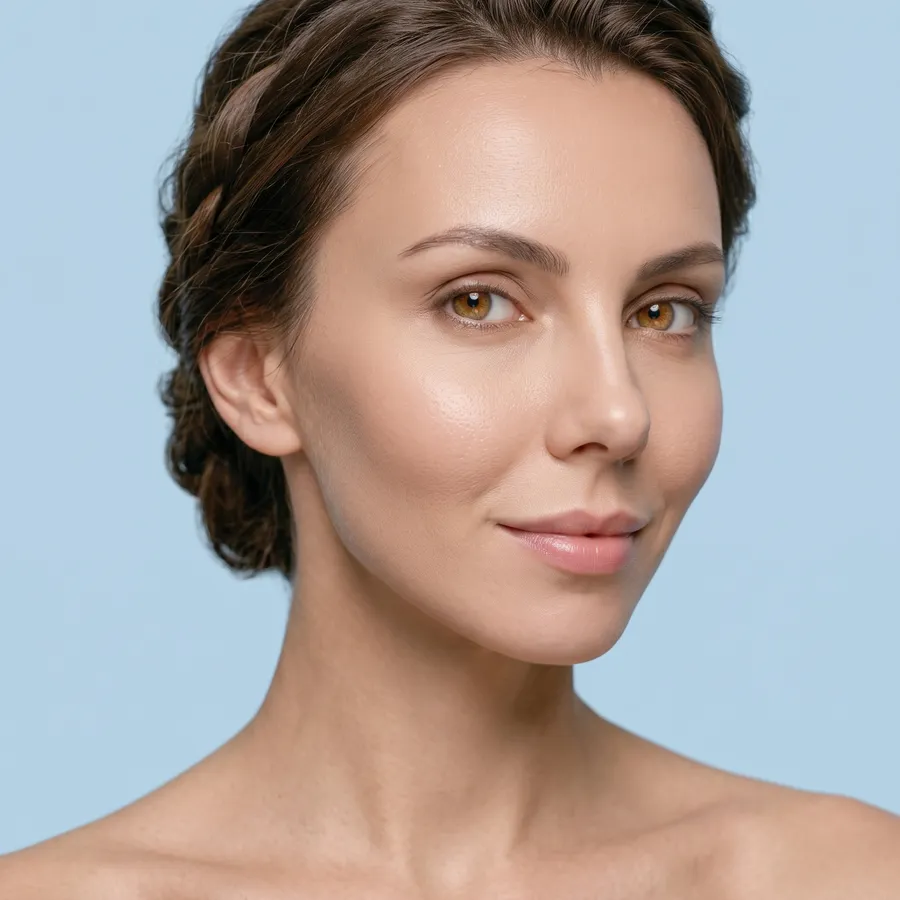
Facial fat grafting uses your own purified fat, harvested by gentle liposuction, to restore lost volume in the cheeks, temples, and under-eye hollows for a softer, naturally rejuvenated face.
Facial Fat Grafting in Los Angeles
Aging the face is not only a matter of loosening skin. It is also a matter of loss. Fat pads that once gave the cheek its fullness thin and descend, the temples narrow, the under-eye hollows deepen, and the jawline loses its cushion. Tightening alone cannot replace what is gone. At Cosmetic Doc, Dr. Husam Elias uses facial fat grafting to restore that lost volume with your own tissue, rebuilding the underlying contour of the face rather than stretching what remains over it. As a surgeon of the facial skeleton, he approaches volume from the bone outward, which is why grafted results tend to look softened and rested rather than filled.
What Is Facial Fat Grafting and Stem Cell Therapy?
Facial fat grafting, also called facial fat transfer, moves a small quantity of your own fat from an area where you have some to spare into the areas of the face that have thinned. The fat is harvested by gentle liposuction, purified, and then injected in tiny micro-droplets so each parcel sits close to a blood supply and has the best chance of surviving.
Adipose tissue is not inert filler. It is rich in regenerative cells, including adipose-derived stem cells, and research suggests these cells may contribute to improvements in skin quality, texture, and tone in the grafted area. This is why some patients hear the term stem cell facelift. We use that language carefully: the regenerative effects of fat are an active and promising area of study, not a proven cure for aging, and we will describe what is established and what is still being learned.
What patients gain
Benefits of Facial Fat Grafting
Fat transfer addresses a dimension of facial aging that lifting cannot reach. Here is what patients most often appreciate about it.
-
Restore Lost Volume
Grafting replaces the deep fat that thins with age in the cheeks, temples, and midface, rebuilding the soft contour that makes a face read as youthful rather than drawn.
-
Soften Under-Eye Hollows
Careful micro-droplet placement along the tear trough can blur the shadowed step between lower lid and cheek, easing the tired look that concealer never quite covers.
-
Use Your Own Tissue
Because the material comes from your body, there is no risk of allergic reaction to a foreign substance, and the grafted areas typically look and feel like natural facial tissue.
-
Support Skin Quality
Fat carries regenerative cells that may improve the texture and tone of overlying skin. Evidence here is still developing, so we present it as a possible benefit rather than a promise.
-
Enjoy Lasting Results
A portion of transferred fat is naturally reabsorbed in the first months, but the fat that establishes its own blood supply behaves like the tissue around it and can last for years.
-
Refine a Facelift
Paired with a lift, fat grafting supplies the volume that repositioning skin cannot create, addressing deflation and laxity together for a more complete and balanced rejuvenation.
How Is Facial Fat Grafting Performed?
Planning begins at your consultation, where we map the areas of deflation and often use detailed photographic analysis so you can see the proposed change in proportion. Fat grafting alone is usually performed with local anesthesia and IV sedation as an outpatient procedure. When it accompanies a larger operation, it follows that procedure's anesthetic plan.
Harvesting
A small amount of fat is collected through gentle, low-pressure liposuction, most often from the abdomen or the outer thighs, through incisions only a few millimeters long. The technique is deliberately atraumatic, because fat cells handled roughly are less likely to survive the transfer.
Purification
The harvested tissue is then processed to separate viable fat from blood, fluid, and oil. What remains is a concentrated graft of intact fat cells, which is what gives the transfer its best chance of taking.
Micro-Droplet Placement
Using blunt cannulas, the purified fat is layered into the cheeks, temples, under-eye hollows, nasolabial region, lips, and along the jawline in very small droplets across several tissue planes. Spreading the graft this way maximizes contact with surrounding blood supply and lets Dr. Elias sculpt contour gradually rather than in bulk.
How Much of the Fat Lasts?
Partial resorption is normal and expected. Not every transferred fat cell establishes a blood supply in its new home, and a portion of the graft is naturally absorbed over the first three to six months. This is planned for, not a complication. The fat that does survive becomes living tissue, ages with you, and can last for years. Swelling and bruising in both the donor and treated areas typically settle over one to two weeks, with most patients returning to routine activity within about a week. Because early fullness is deceiving, we assess the true result at roughly six months, and a modest second session is sometimes recommended.
Schedule Your Fat Grafting Consultation
Facial fat grafting is frequently combined with a facelift, since one restores volume while the other repositions tissue. Cost depends on the number of areas treated, harvesting time, anesthesia, facility fees, and any procedures performed alongside it. Cosmetic Doc provides a personalized quote at consultation and offers financing. Call our Pasadena or Sherman Oaks office to schedule.
Questions patients ask
Facial Fat Grafting FAQs
How much does facial fat grafting cost?
Cost reflects the number of facial areas treated, the time required to harvest and process the fat, the level of anesthesia, facility fees, and whether grafting accompanies another procedure. We review all of this openly at your consultation, provide a personalized quote, and offer financing options.
Where is the fat taken from?
Most often the abdomen or the outer thighs, where a small volume can be collected without changing your shape. Only a modest amount is needed for the face. Harvesting is done through incisions a few millimeters long that generally heal to be difficult to notice.
How much of the transferred fat survives?
A portion of any fat graft is naturally reabsorbed over the first three to six months, which is normal and planned for during placement. The fat that establishes a blood supply behaves like your own living tissue from then on and can last for years.
Is a stem cell facelift a real procedure?
Stem cell facelift is a marketing term, not a defined operation. Fat does contain regenerative cells that may support skin quality, and research into that is genuinely promising. We prefer to describe what fat grafting reliably does, which is restore volume, and to be candid about what remains under study.
How is fat grafting different from fillers?
Fillers are manufactured products placed in an office visit and absorbed over months. Fat grafting is a surgical procedure using your own tissue, which integrates with the surrounding face and can last much longer. Fat also allows larger volume restoration across multiple areas in one session.
Can I combine fat grafting with a facelift?
Yes, and the two are often performed together. A facelift repositions tissue that has descended but cannot replace volume that has been lost. Adding fat addresses deflation at the same time, which tends to produce a more balanced and natural-looking overall rejuvenation.
Your surgeon
Meet Your Surgeon
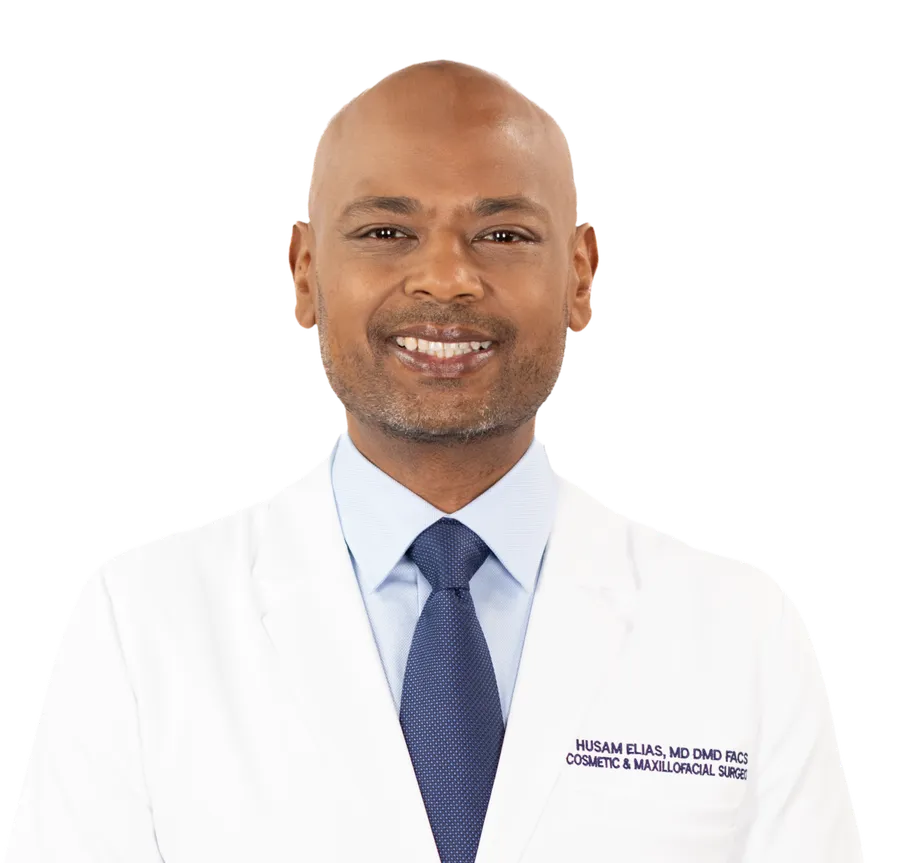
Dr. Husam Elias
MD, DMD, FACS
Restoring facial volume well depends on knowing exactly where the face has deflated and where it never should be filled. Learn more about the surgeon who will plan your treatment.
Start here
Your Choice for Expert Cosmetic Surgery in Pasadena & Sherman Oaks
Cosmetic Doc delivers board-certified cosmetic surgery with care, compassion, and artistry. From facelifts and rhinoplasty to body contouring, Dr. Husam Elias pairs dual MD/DMD training with an on-site AAAHC-accredited surgery center for the safest, most natural-looking results. Contact our Pasadena or Sherman Oaks office today to schedule your consultation.